8 months
from strategy to launch
An eight-month project that sent Sphero's SPRK+ robot and students' code to the International Space Station, bringing real space science into classrooms.
Sphero
2016
Project & Marketing Management
Project management
STEM Education
8 months
from strategy to launch
5 classrooms
sent their code to space
Real science
on the International Space Station
The challenge
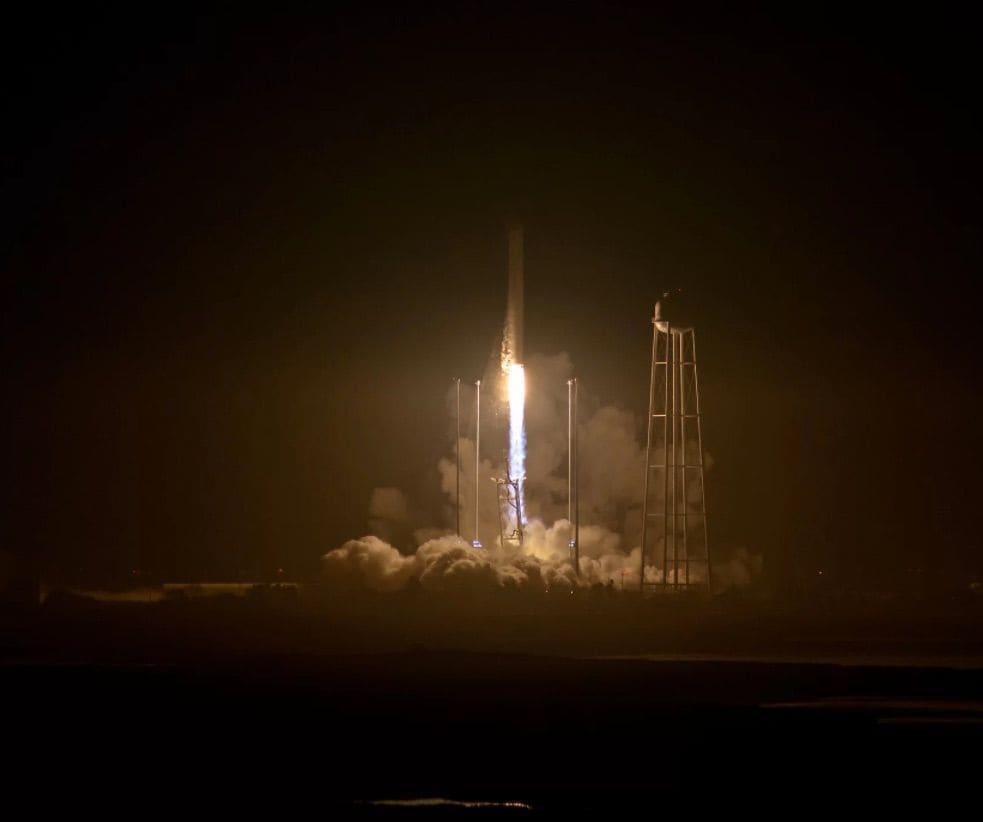
Sphero wanted a memorable campaign for its new line of educational robotics products and connected programming app. Building on the excitement around the Star Wars™ BB-8 droid, we turned to space science. With partners Edge of Space and NanoRacks, the goal was to send Sphero's robot to the International Space Station, run programs written by students, and see how microgravity affected the robot's movement. That meant designing a custom enclosure to carry, charge, and monitor the robot in orbit.
My role: Project manager. I coordinated engineering, our space partners, and the education team across robot testing, the flight enclosure, and student engagement.
The approach
01
I worked with Sphero engineers to design a custom, modified version of the flagship robot that could charge, move, and shutdown correctly within the enclosed CubeSat.
02
With Edge of Space and NanoRacks, we designed a custom CubeSat enclosure to charge the robot when it was aboard the ISS, then release it with a robotic arm so student programs could run while we watched by webcam. The sensitive charging cradle had to stay aligned through the forces of launch.
03
We engaged 5 classrooms to send in student-created programs using Sphero's education app. These would execute autonomously after the robot woke up in the CubeSat and we could watch via video what would happen in microgravity.
The build
Behind the scenes, we tested how the robot would move, charge, and run programs on its own in microgravity. Working with our space industry partners, we also built a protective enclosure to keep it safe through the forces of launch, and monitored it during the spaceflight.


Outcomes
Next step
Let's talk about how you want your business to grow. We'll decide together what matters the most and where to get started.
A free 30-minute chat. No pressure, and no tech talk needed.